5 critical storage questions answered at the Solarplaza Summit Energy Storage The Netherlands
If you’ve been following the Dutch energy storage market recently, you’ll know it feels a bit like a 'Solarcoaster'. High-speed growth one moment, grid-bottlenecked stomach drops the next. On 16 April 2026, we brought together the people who are actually building, financing, and regulating the assets that will stabilize the Dutch grid.
From the 'Wildlife Zoo' of Giga Storage projects to the technical corridors of the Ministry of Economic Affairs, here are the 5 biggest questions from the summit - and the definitive answers that came from the stage.
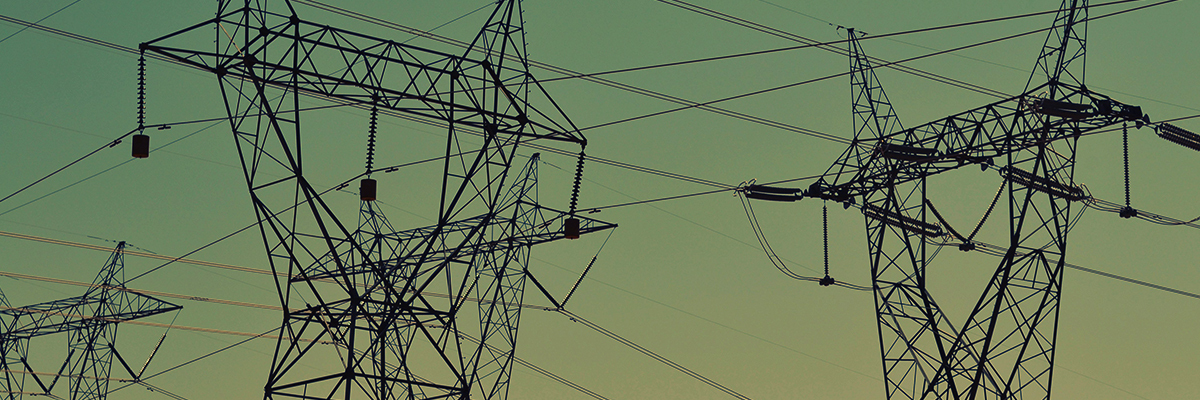
1. Will the Netherlands ever have a national storage target?
The Answer: Yes, and it’s closer than you think. Tugay Akbulut from the Ministry of Economic Affairs) provided the most pressing update of the day. The government is moving toward an integral policy agenda for energy storage, with a national flexibility and storage target set for implementation in June 2027. This provides the long-term signal that senior debt providers have been waiting for to move past the 'wait and see' phase.
2. How do we survive the 'PICASS-O' price compression?
The Answer: Stop putting all your eggs in the ancillary basket. The European balancing platforms (PICASSO and MARI) have matured the Dutch market overnight. Jan Willem Zwang from Stratergy and Jesse Hettema from Aurora Energy Research highlighted that while FCR and aFRR prices are being compressed by cross-border competition, the 'real' money is shifting. The winners in 2026 will be those who master energy arbitrage and can shift power into the evening peaks when solar capture rates are at their lowest.
3. Can I actually beat the high grid fees?
The Answer: Yes, by trading constant access for contractual creativity. Standalone batteries in the Netherlands face some of the highest transport tariffs in Europe. However, Fleur Greetham from AFRY and Djoeke Schoonenberg from Alliander discussed the transition to Time-duration bound transport contracts (TDTR). By accepting a 15% curtailment risk, developers can secure a 60% reduction in grid fee exposure. In the Dutch storage market, flexibility isn't just what the battery provides but how you contract the connection.
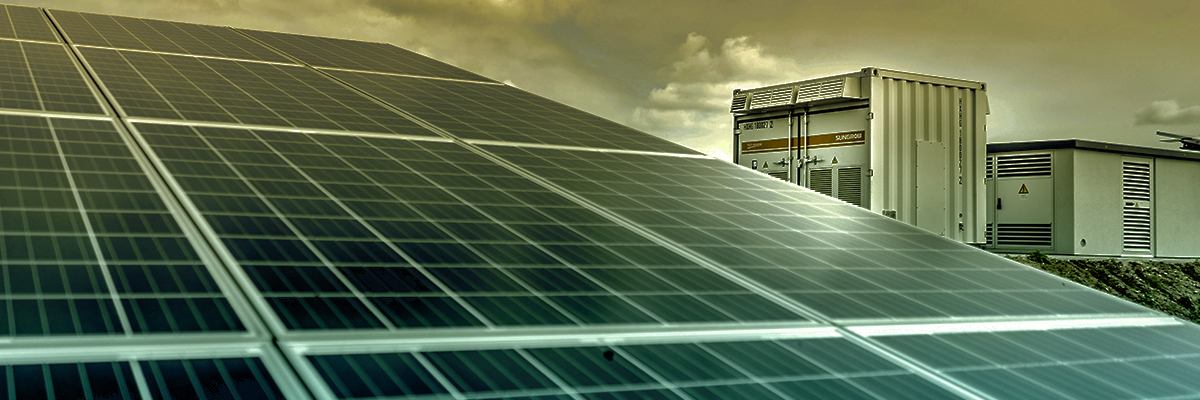
4. String vs. Central: Which hardware is actually bankable?
The Answer: The industry is pivoting toward string architecture for a reason. Bouke van der Weerdt from Huawei sparked a debate on the 'Instagram vs. Reality' of revenue modeling. Centralized systems might look cheaper on a spreadsheet, but they create a 'Christmas light effect'—if one component fails, the whole five-megawatt container goes dark. String-based systems offer higher state-of-charge (SOC) accuracy and internal redundancy, which can unlock up to 20% more tradable power over the asset's lifetime.
5. Is co-location still a 'nice-to-have'?
The Answer: No, it’s now a strategic necessity. As negative prices become more frequent, solar-only assets are losing revenue. Ernst de Wiljes from Birdview Energy presented data showing that co-locating a battery with a solar or wind farm acts as a natural hedge. It reduces imbalance costs by 50% to 70% and allows you to capture SDE++ value during negative hours that would otherwise force a curtailment.
Want the full data behind these answers?
We’ve captured all insights from the presentations, panels, and deep-dive analyses into our premium Post-show report, covering all the key market intelligence covered during the Solarplaza Summit Energy Storage The Netherlands 2026.

